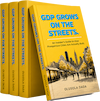
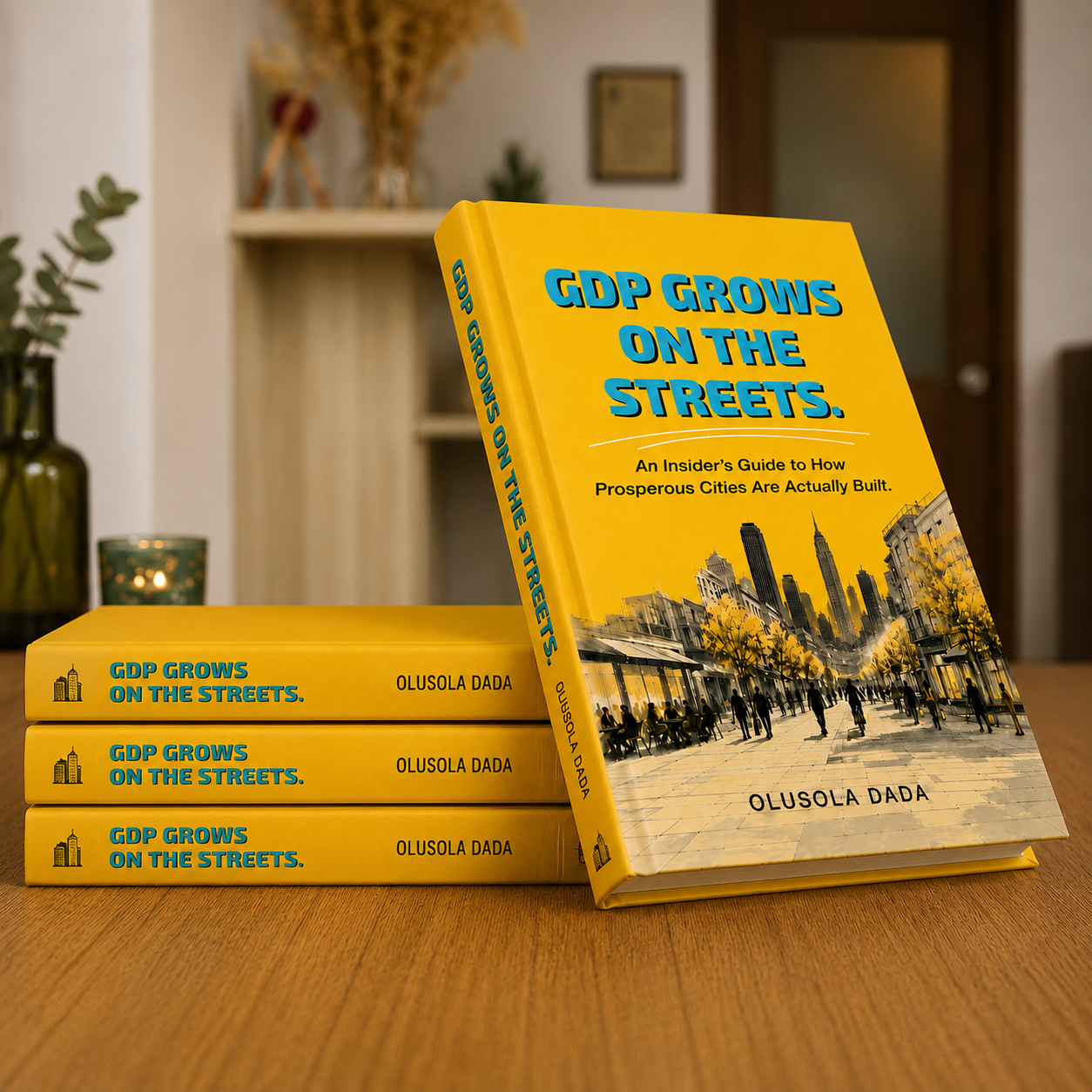



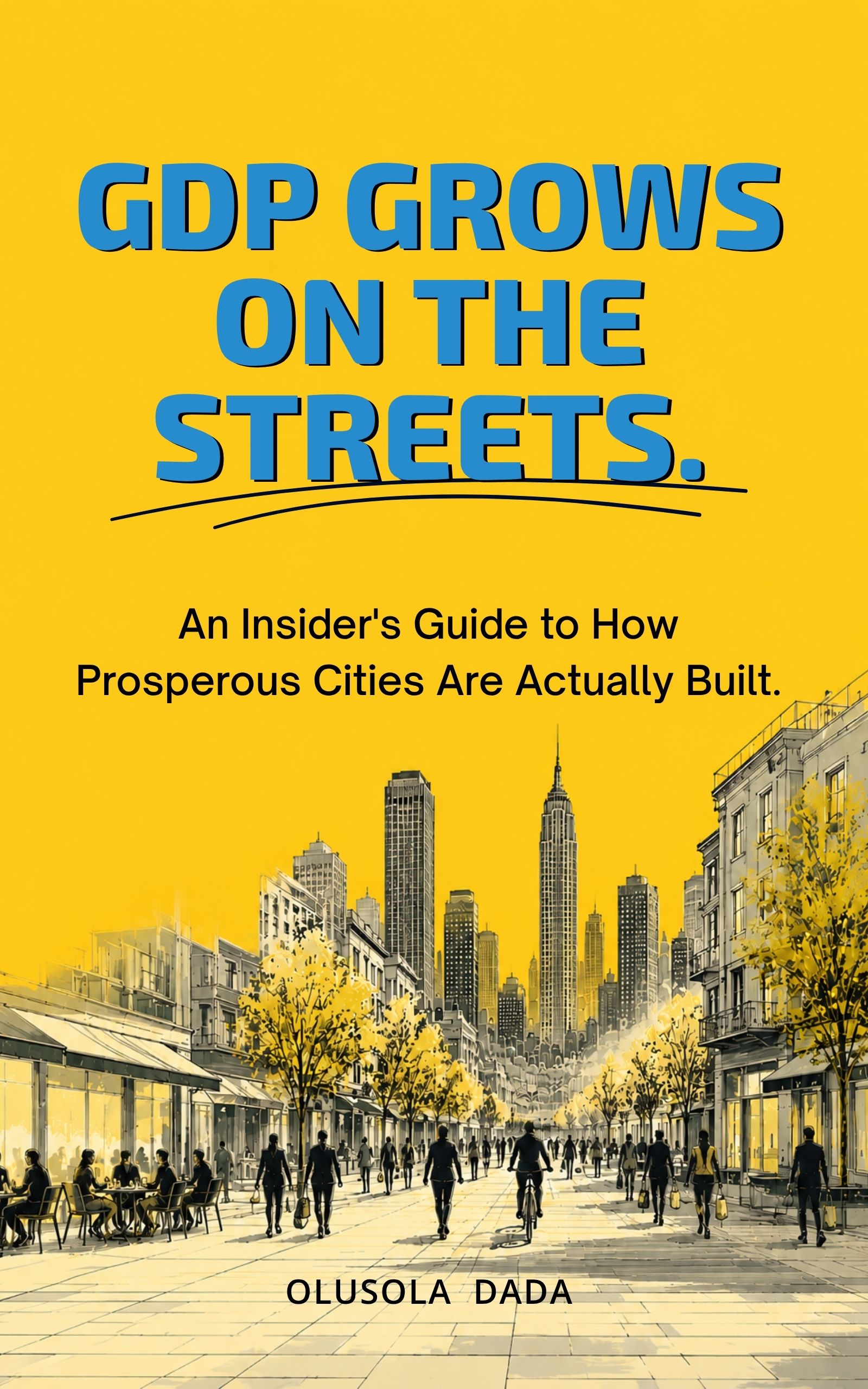

What's inside?
GDP Grows on the Streets gives you a new framework for understanding the relationship between cities, people, income, opportunity and prosperity.
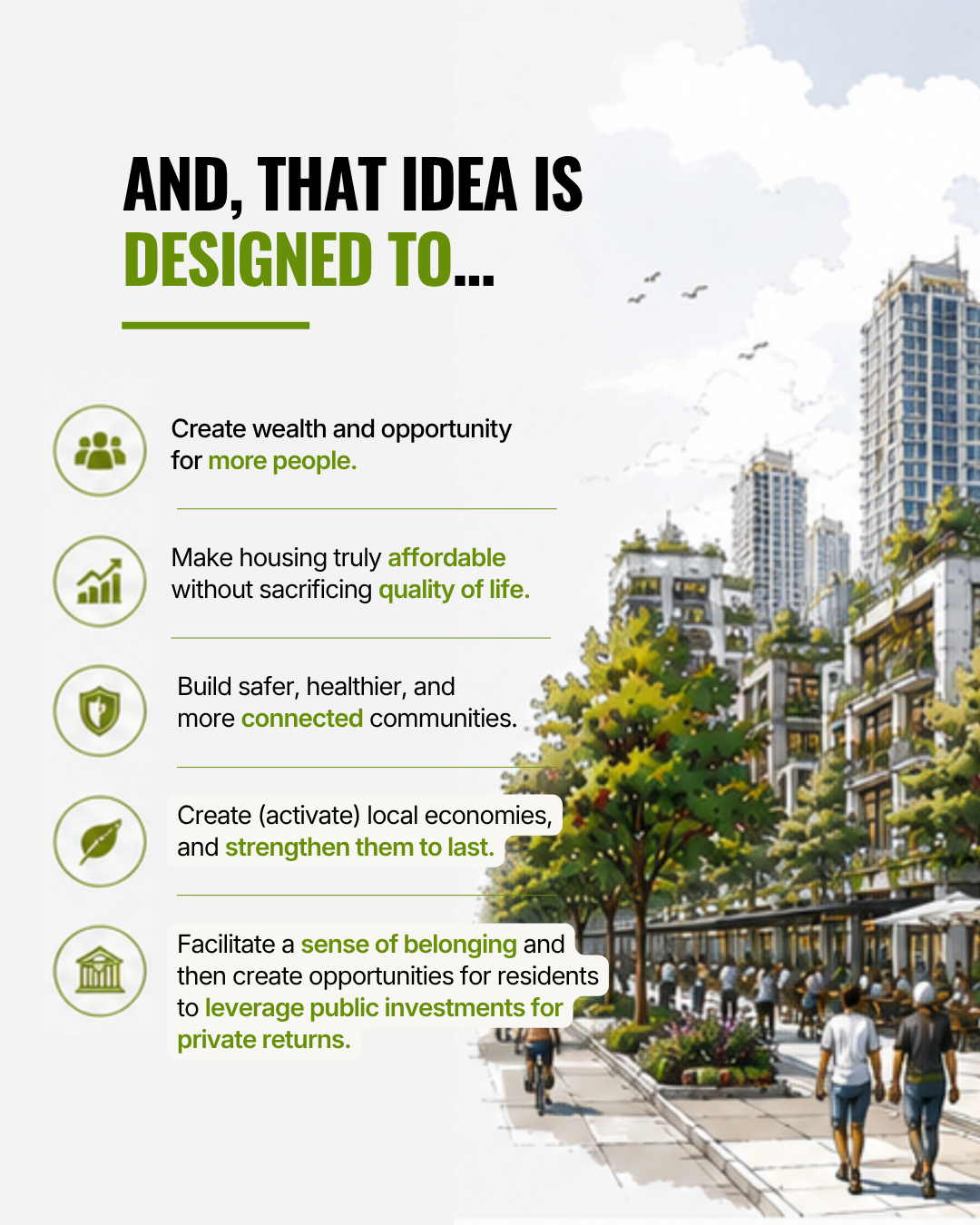
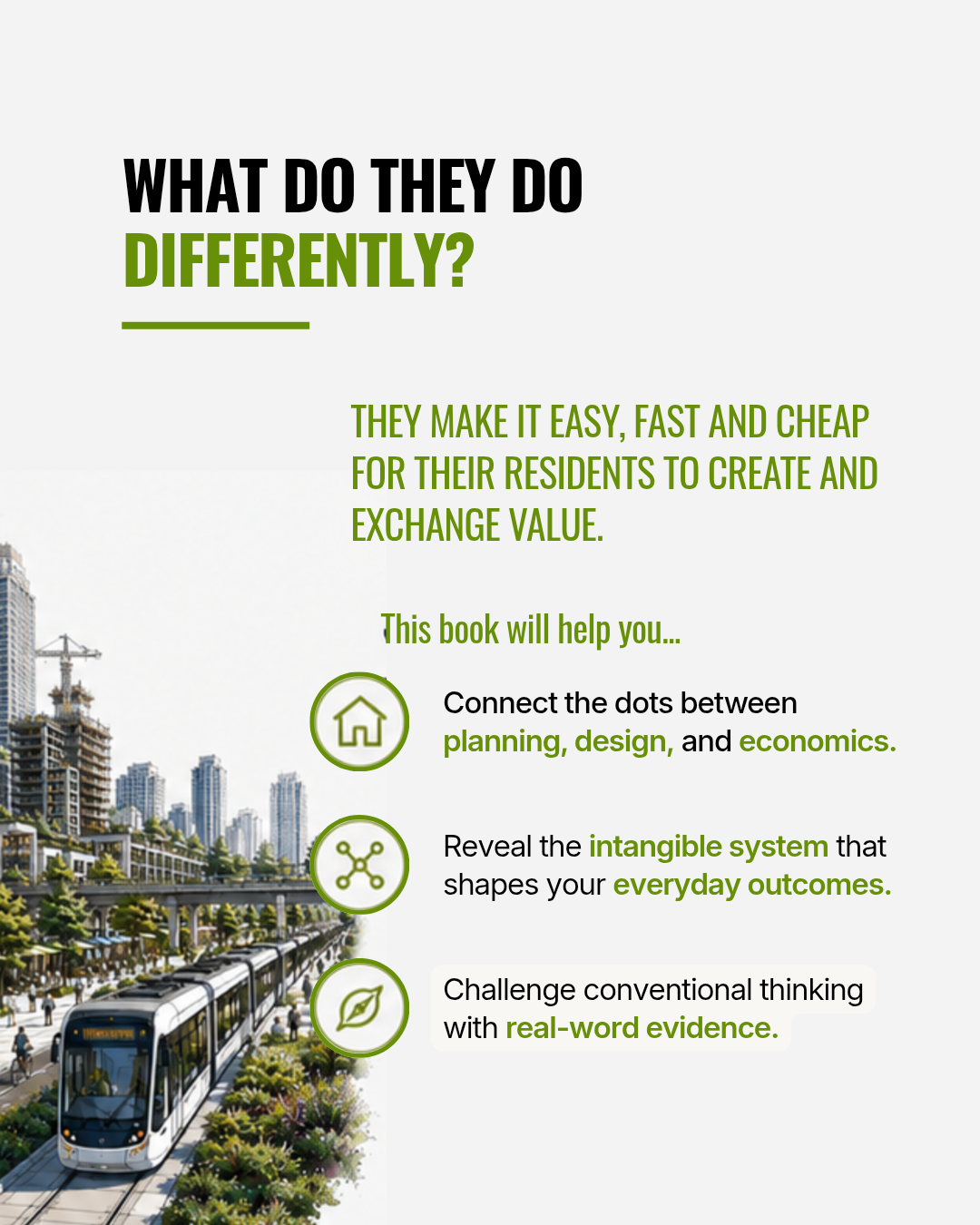
AVAILABLE IN MULTIPLE FORMAts.
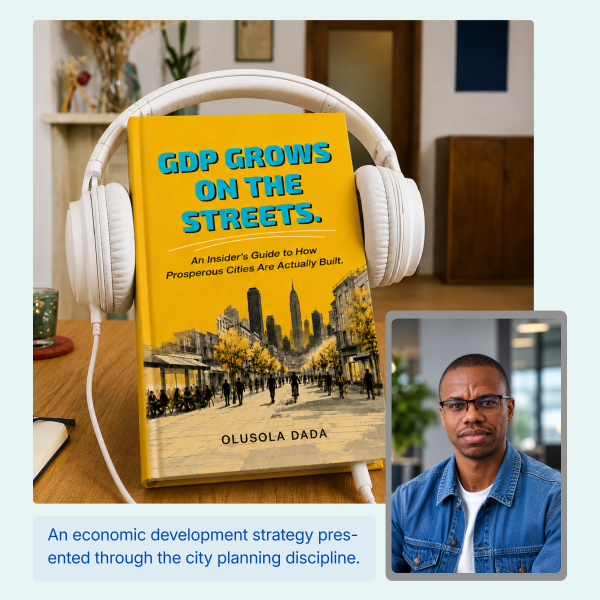
Listen to the ideas on your commute, during your walk, or wherever you are.
GDP Grows on the Streets is how Olusola Dada breaks down urban productivity (in non-technical language) into practical, street-level dynamics.
Inside, you'll discover:
- Why some neighbourhoods keep getting better while others stall, no matter how much money is spent on them.
- A practical framework for designing housing systems that adapt as incomes grow, instead of demanding people arrive already prepared.
.svg)
Audio length
08 Hours
.svg)
Publisher
Independently Published
.svg)
Language
English

Narration Type
Digital Voice
Three truths.
Whether a city is liveable, dignifying, or unaffordable comes down to the premium that the city places on quality of life.
People create prosperity. Infrastructure doesn't.
Value is mostly invisible.
Great cities let people participate.

At the centre is housing.
This is a book about the everyday exchanges, deals, and decisions that quietly build (or block) prosperity and how it affects how people actually live, work, or socialise.
Read GDP Grows on the Streets wherever you are.
At the center of it all is a single, simple measure.
Whether a city is liveable, dignifying, or unaffordable comes down to the premium that city places on quality of life. Which is how a city tells its residents exactly how much they matter to it, and exactly how much friction it's willing to place between them and the value they're trying to create.
Print length
320 Pages
Publisher
Independently Published
Language
English
.svg)
File Size
2.2MB

.png)
recommended for you
Other readers also bought this book too.
Why doesn't co-ownership make land cheaper — and what does it actually do instead?
Why can a government housing programme with an unlimited budget still fail at the exact same thing a smaller, better-structured project gets right?
Why is the "cheap" plot on the outskirts often the more expensive investment, once every real cost is added up?
What actually separates a genuinely rising corridor from one that's simply being talked about — and how do you tell the difference before you buy, not after?
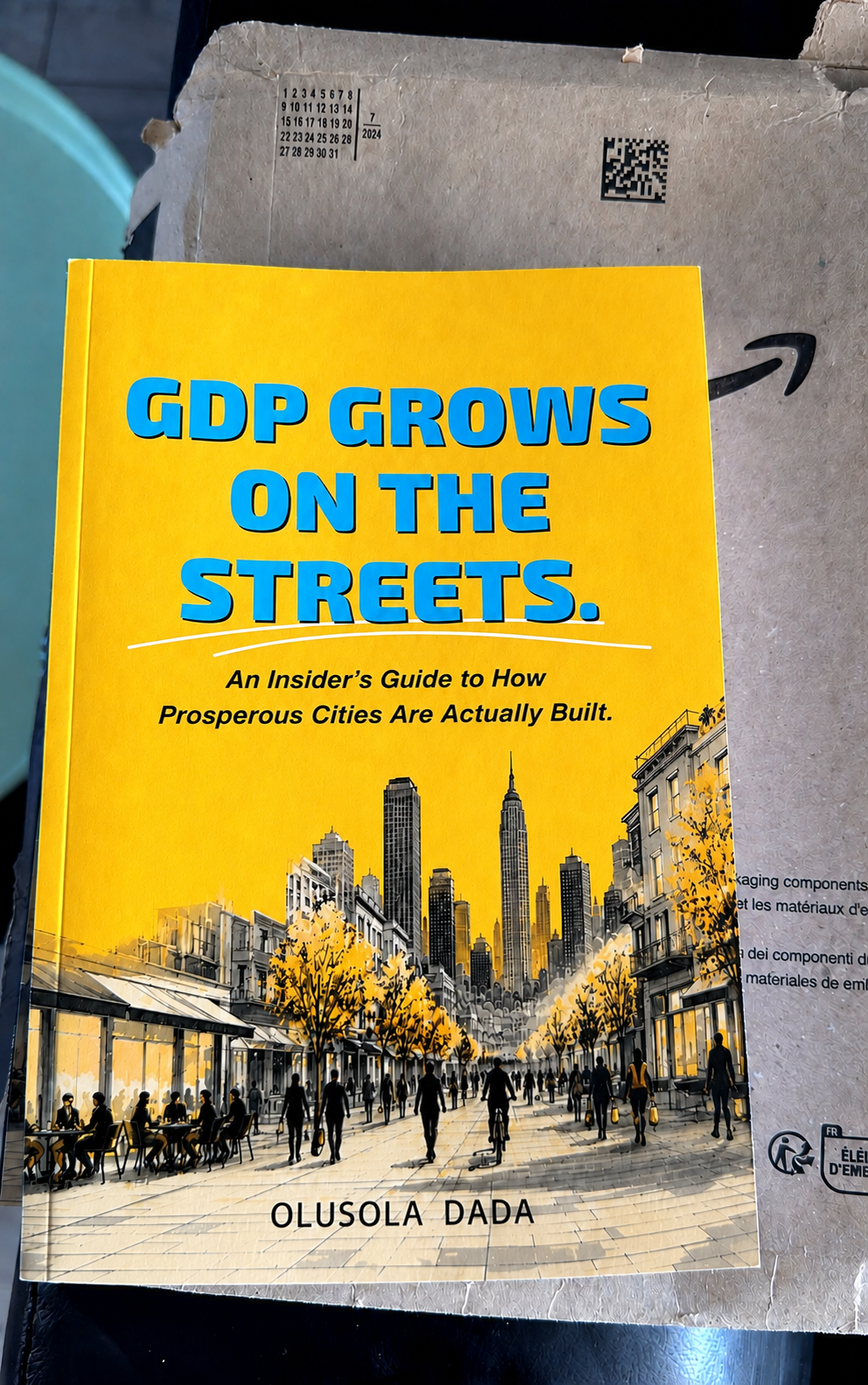
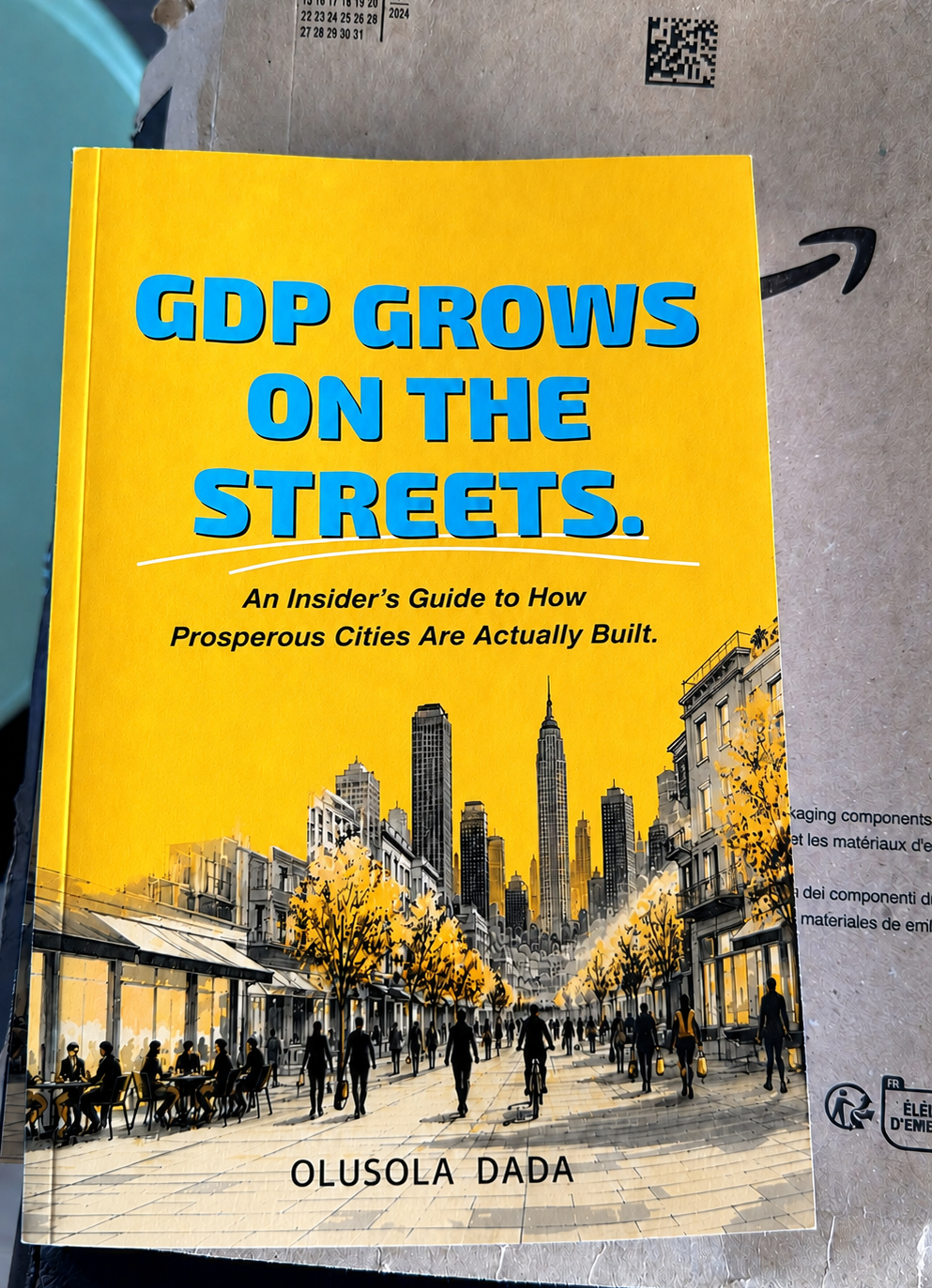
An Insider's Guide To How Prosperous Cities Are Actually Built.
Started with a 5-year old asking...
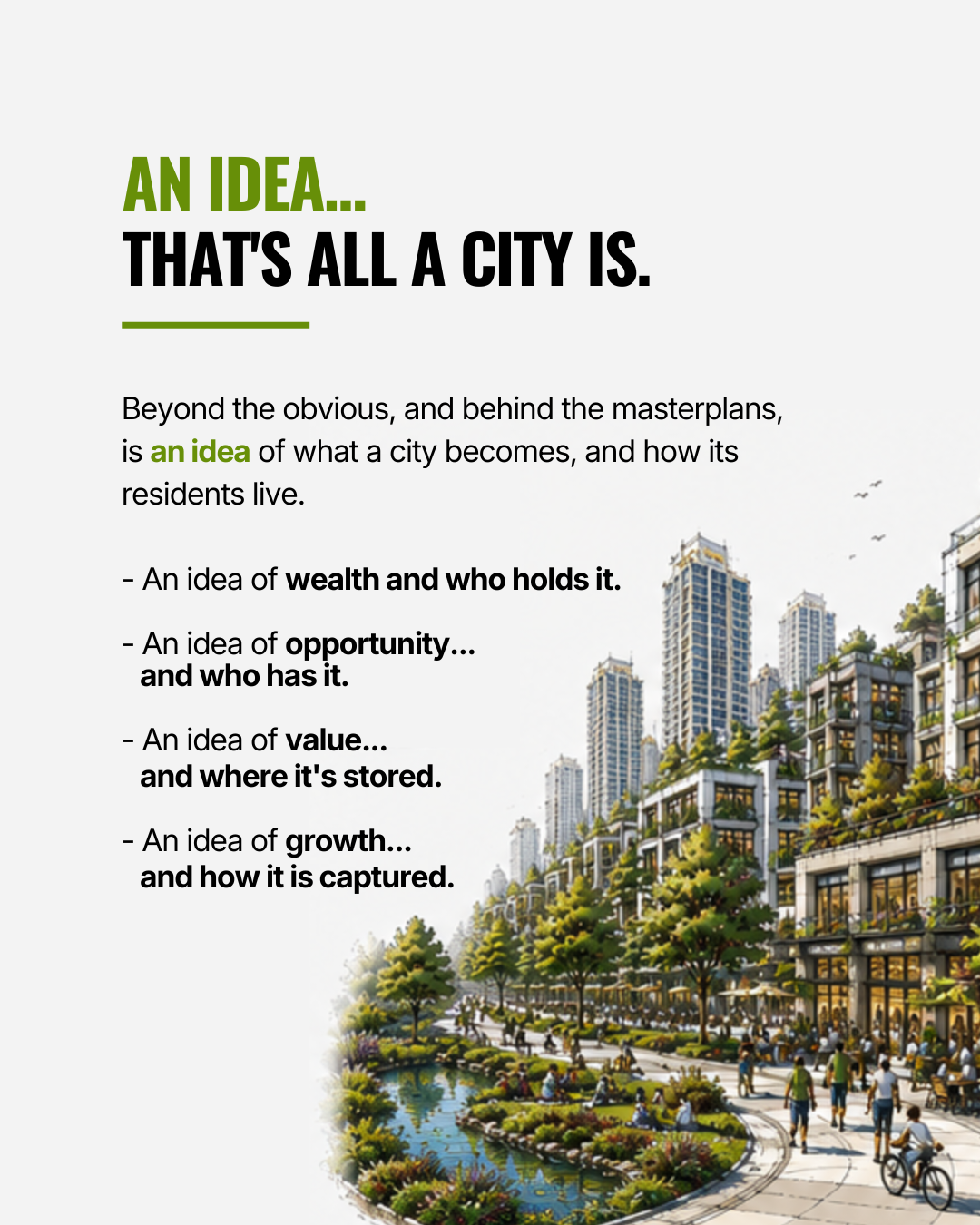
It sounded like a simple question. Trying to answer it opened another set of questions entirely.
What actually is a city? Why do some create opportunity while others make progress harder?
Why can two people in seemingly similar houses live completely different lives?
Those questions eventually became GDP Grows on the Streets.
Audio Preview
WHAT MAKES THIS BOOK DIFFERENT?
This isn't another book about buildings. And it isn't a conventional economics textbook. GDP Grows on the Streets sits somewhere between urban economics, real estate, city planning, personal experience and economic development. It takes ideas that are often discussed separately and puts them into one system.
Available for purchase from your favourite stores



Who is It for?
For anyone who wants to understand why cities work the way they do, and the opportunities within.
... or simply everyone who has ever wondered why one place seems to help people thrive, while another makes everything harder than it needs to be.
_20260803_131704_0000.png)
Because an Introduction and a Prologue Just Won’t Cut It
Read the First Chapter, Too, for Free.
This isn’t some skimpy sample.
It’s eight full parts of GDP Grows on the Streets: An Insider's Guide to How Prosperous Cities are Actually Built, 38 pages... enough to keep you busy while you wait for your paperback to be delivered.
Long enough to keep you busy while you wait for your appointment at the planning ministry that struggles with just the right amount of dysfunction to keep things going.
Download Your PDF Sample